
Springtime on the farm always means one thing… more eggs than we know what to do with.
Our hens start laying like crazy, and suddenly the egg basket is overflowing every single day. But by the time fall rolls around, production slows way down, and those same farm-fresh eggs become hard to come by.
That’s exactly why I love water glassing eggs. It lets you preserve the abundance of spring and summer so you can enjoy farm-fresh eggs all winter long.
Water glassing is one of the simplest ways to store eggs long-term. If you raise chickens, buy from a local farm, or just find yourself with extra eggs during peak laying season, this method allows you to save those eggs for when production naturally drops later in the year.
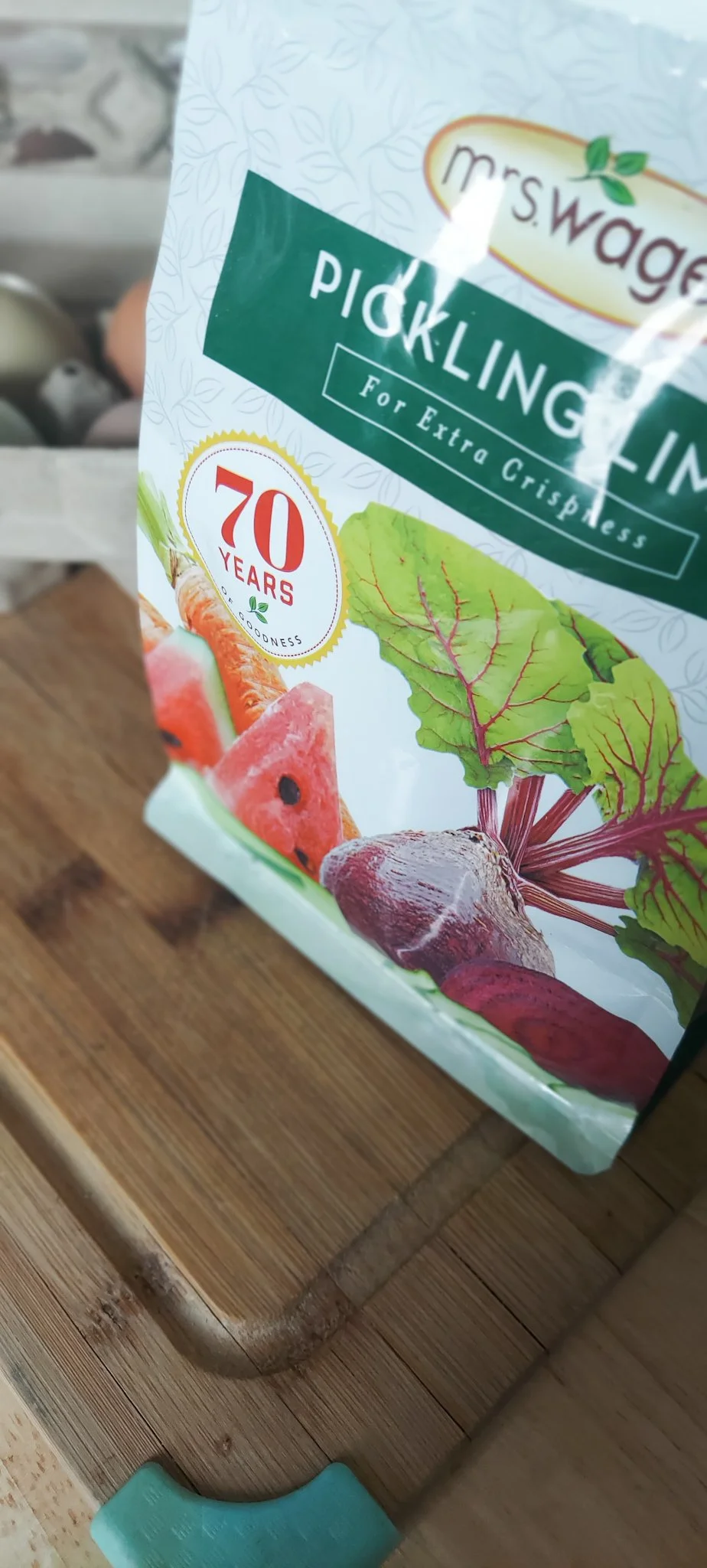
Today I’m going to show you how to preserve eggs using pickling lime and water, a traditional method that has been used for generations. The eggs are stored in a limewater solution that seals the shell and keeps them fresh for months.
The best part?
It’s cheap, quick, and doesn’t require any fancy equipment.
Water-glassing eggs works by submerging clean, unwashed, farm-fresh eggs in a solution made with pickling lime powder and filtered or well water. Fresh eggs naturally have a protective coating called the bloom, and keeping that intact is what allows them to store safely for long periods.
If your water contains chlorine, make sure to filter it first. You can also let tap water sit out uncovered for 24–48 hours so the chlorine can evaporate, or simply use store-bought distilled water.
Once the eggs are fully submerged in the limewater solution, the shell becomes sealed from air and bacteria, allowing the eggs to be stored on the shelf for 12 to 18 months.
And when you’re ready to use them, the eggs will still look and cook almost exactly like the day they were laid — which is why this is one of my favorite old-fashioned skills to use on the farm.
In the next section, I’ll show you step-by-step how to water glass eggs at home.
A half-gallon jar, which holds anywhere between 15 to 20 eggs depending on size your eggs, a gallon jar, or a 5-gallon pail are all great options to use this method. Always use the cleanest eggs you have for water glassing. Eggs should be clean and unwashed.
If water glassing was done properly, the eggs preserved with lime are perfectly safe to eat.
Unsure if they are safe to eat or not? You can also perform a float test to check the quality. Place an egg in a bowl of water. If the egg sinks, it’s good; if it floats, it’s gone bad. Here’s why: Eggshells are very porous, so as time goes by, the egg loses moisture, causing its contents to shrink. At the same time, a small air pocket inside the shell starts to expand, causing the egg to float in water.
If you are still unsure, once you crack the egg open you will be able to tell very quickly if the egg is bad or not based on the smell. It shouldn’t have a smell at all and look like a normal farm fresh egg.
Store-bought eggs should never be used with this egg preservation method. Eggs from the grocery store have been washed and sanitized. During this process, the protective “bloom” is removed. When the bloom is removed from the egg, the shell’s pores are exposed. The lime water glassing solution works with the egg’s natural bloom to preserve it even longer than the natural bloom does.
Instructions to Water Glass Eggs
Step One. Select what type of container you’d like to store your eggs in.
Step Two. Mix pickling lime and filtered water at a ratio of one ounce of pickling lime to one quart of water. So, if you have a 1/2 gallon container, you would need approximately 2 quarts of water to fill the jar, but will use less than this when eggs are in there. 1 gallon would be double this. Set aside.
Step Three. Carefully place your clean, unwashed eggs into your jar or bucket.
Step Four. Pour your pickling solution over the top of the eggs until they are completely submerged.
Step Five. Label with the date and place in a cool, dark place until ready to use.
Step Six. When you are ready to use your eggs, give them a wash and use as normal.
Want to try this method at home? You can Click HERE to get some unwashed farm fresh eggs.
Enjoy,
Tessa

Several months later, we’ve been enjoying the eggs we preserved back in March 2024…