
Meal planning can be overwhelming, especially when you’re trying to keep meals interesting while also keeping them simple and family-friendly.
There was a period of time when I was cooking more elaborate meals on a regular basis to keep things exciting, but it led to burnout. I realized that simple, familiar meals were not only easier but also made dinner more enjoyable for the whole family.
One of the best ways to make meal planning easier is by creating a go-to protein recipe rotation—a list of tried-and-true beef, pork, and chicken recipes that your family loves and that you can cycle through each week. Having a set rotation of meals saves time, reduces decision fatigue, and ensures you always have the ingredients you need on hand. Here’s how to build your own!
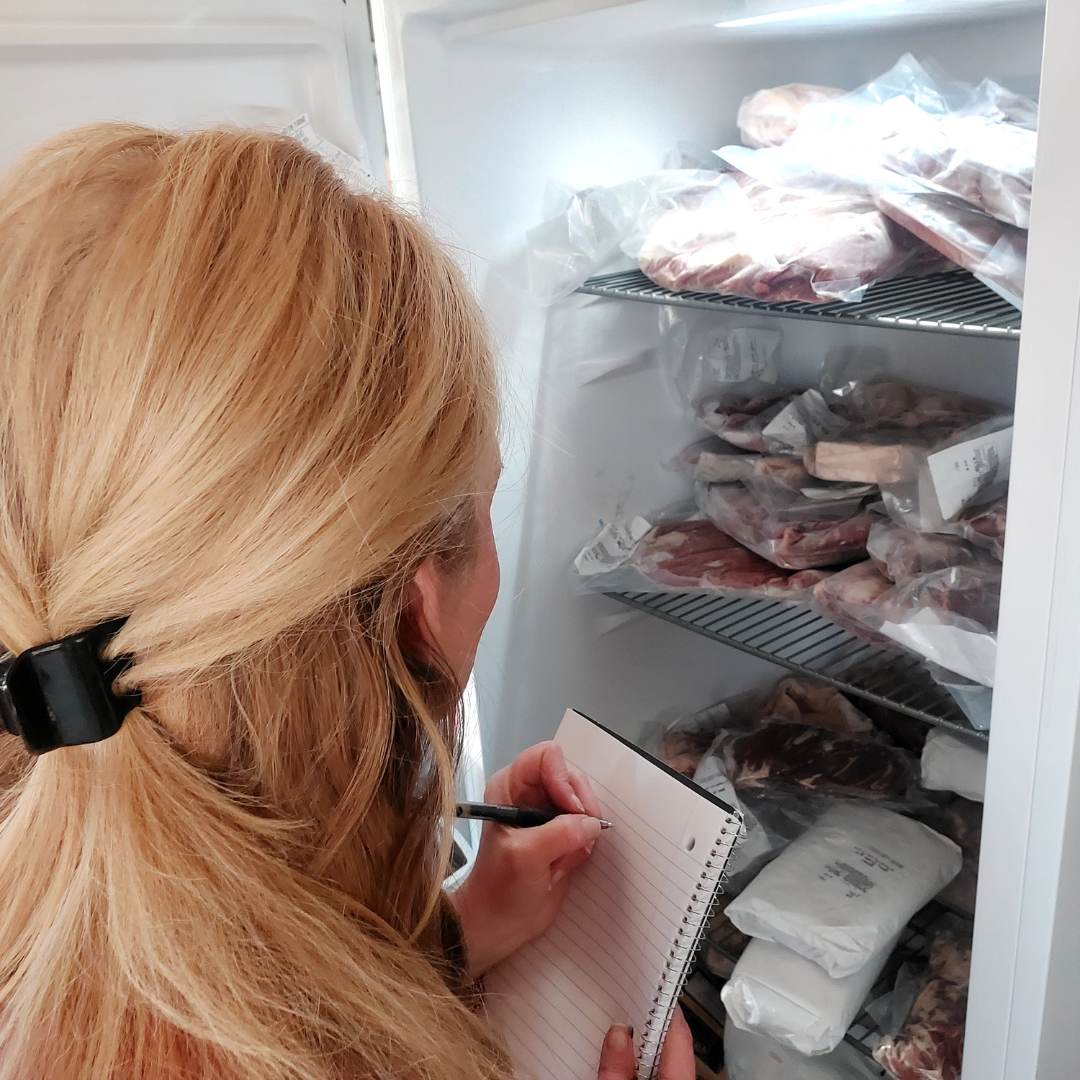
Step 1: Identify Your Family’s Favorite Protein Recipes
Think about the beef, pork, and chicken recipes your family already enjoys. Consider meals that are easy to prepare, use common ingredients, and fit into your schedule. Here are a few categories to help brainstorm:
-
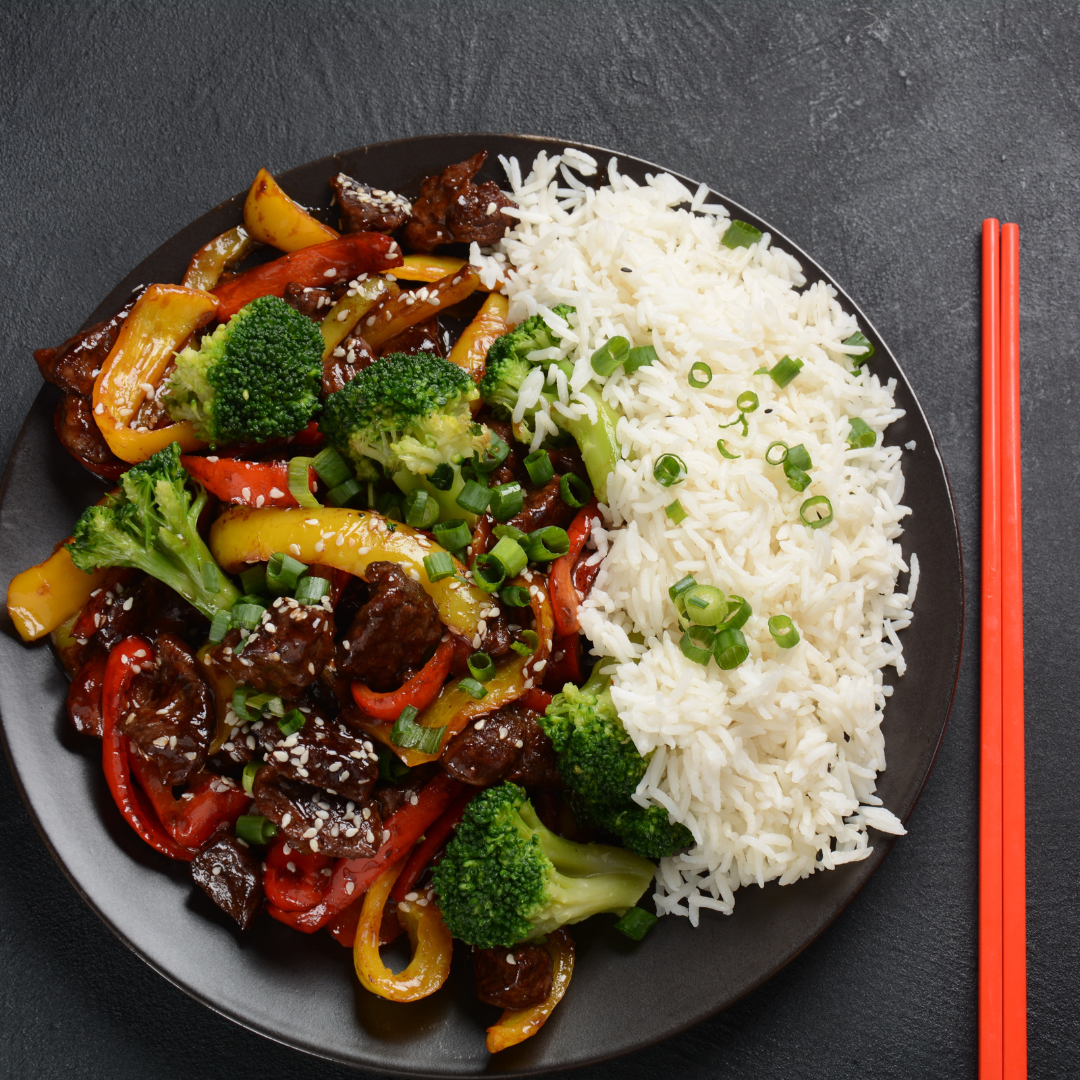
Quick & Easy – Recipes that take 30 minutes or less, like beef stir-fry, pork chops with garlic butter, or skillet chicken fajitas.
-
Slow Cooker & Instant Pot – Set-it-and-forget-it meals, such as pot roast, pulled pork, or shredded chicken tacos.
-
Grill & Skillet Favorites – Burgers, steaks, grilled pork tenderloin, or grilled barbecue chicken.
-
Comfort Classics – Dishes like meatloaf, spaghetti with meat sauce, no-fuss pork chops, or creamy chicken casserole.
-
Make-Ahead & Freezer-Friendly – Casseroles, stuffed peppers, marinated pork loin, and pre-made chicken enchiladas for busy nights.
Write down the meals that fit your family’s tastes and lifestyle.
Step 2: Choose a Weekly Structure
Once you have a list of favorite meals, organize them into a weekly meal plan. A structured plan might look like this:
-
Monday: Quick & Easy (e.g., beef tacos or skillet chicken)
-
Tuesday: Slow Cooker (e.g., beef stew or pulled pork)
-
Wednesday: Comfort Classic (e.g., spaghetti with meat sauce or creamy chicken casserole)
-
Thursday: Grill or Skillet Night (e.g., steak with roasted veggies or barbecue chicken)
-
Friday: Fun & Kid-Friendly (e.g., cheeseburger sliders or no fuss pork chops)
-
Saturday: Make-Ahead or Leftovers (e.g., pork casserole or prepped chicken dish)
-
Sunday: Special Dinner (e.g., pot roast, baked pork tenderloin, or roast chicken)
Feel free to customize based on your family’s needs and schedule.

Step 3: Stock Your Kitchen for Success
Having a well-stocked pantry and freezer makes it easier to stick to your meal rotation. Keep these essentials on hand:
-
Beef: Ground beef, steaks, roasts
-
Pork: Chops, tenderloin, ground pork
-
Chicken: Breasts, thighs, whole chicken
-
Pantry Staples: Beef and chicken broth, canned tomatoes, tomato sauce
-
Grains & Breads: Pasta, rice, tortillas
-
Basic Seasonings: Garlic, onion, cumin, chili powder, paprika
-
Frozen & Fresh Vegetables: Peppers, onions, leafy greens, carrots

Step 4: Keep It Flexible
A meal rotation is meant to simplify your life, not make it rigid. Swap meals as needed, double recipes for leftovers, or experiment with variations of your go-to dishes. The goal is to create a system that helps you spend less time stressing over dinner and more time enjoying meals with your family.
Step 5: Refresh Your Rotation Seasonally
Every few months, take a moment to evaluate what’s working and what’s not. Rotate in seasonal ingredients—grilled recipes in the summer, hearty stews in the winter—and keep things fresh by trying one new beef, pork, or chicken recipe a month.
By setting up a protein recipe rotation, you’ll make meal planning smoother, grocery shopping easier, and weeknight dinners less stressful. Give it a try and enjoy the simplicity of always knowing what’s for dinner!
Happy Cooking!
Tessa